
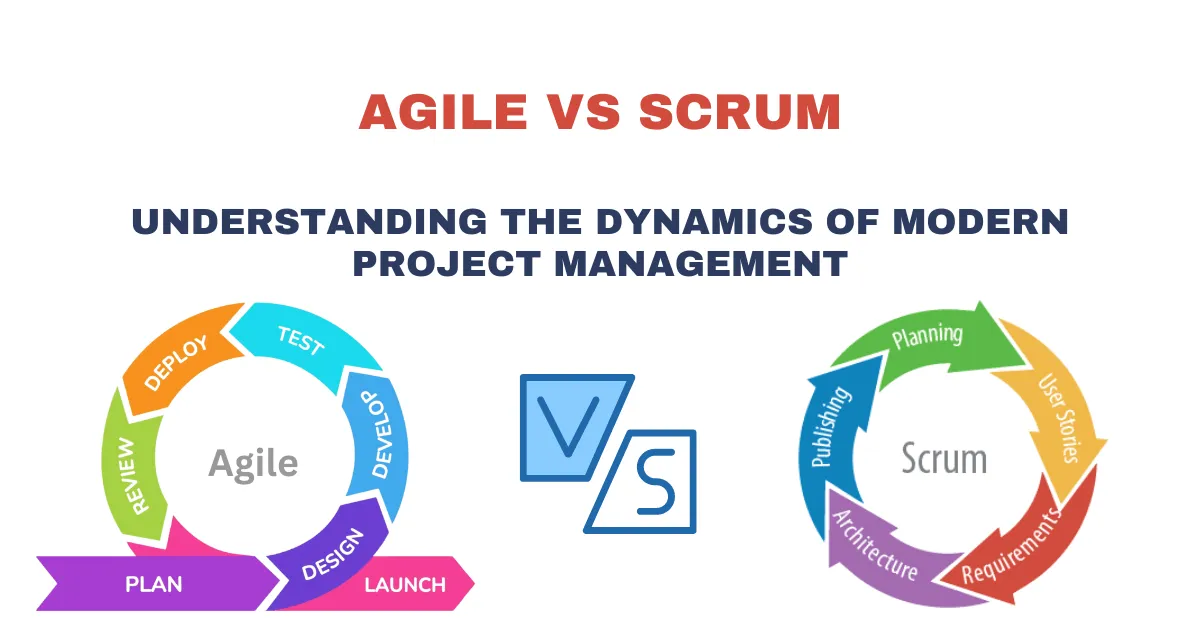
What Is the Importance of Scrum and Agile in Today’s Workplace?
In a fast-changing business world, companies need to deliver products faster, work smarter, and adapt quickly to customer needs. This is where Agile and Scrum come in. They have become the most popular frameworks for modern project management, especially in IT, software development, product design, and even non-technical industries.
Understanding the importance of Agile and Scrum can help professionals improve teamwork, increase productivity, and build high-quality products efficiently.
1. Agile and Scrum Improve Flexibility
Traditional project management follows rigid plans.
Agile and Scrum focus on adaptability.
They allow teams to:
- Respond quickly to changes
- Update requirements anytime
- Adjust priorities based on customer feedback
This flexibility is essential in industries where needs change rapidly.
2. Faster Delivery of Products
Agile and Scrum work in short cycles called sprints.
Each sprint delivers a working part of the project, not just documentation.
This helps businesses:
- Launch features faster
- Test ideas early
- Reduce time-to-market
Companies save time, reduce costs, and stay ahead of competitors.
3. Better Collaboration & Communication
One of the biggest strengths of Agile and Scrum is teamwork.
Daily stand-up meetings, sprint planning, and regular reviews encourage:
- Open communication
- Transparency
- Better coordination
- Improved problem-solving
This leads to smoother workflows and fewer misunderstandings.
4. Higher Quality of Work
Scrum encourages continuous testing, reviewing, and improvement.
This ensures:
- Fewer bugs
- Early identification of issues
- Higher customer satisfaction
- Consistent improvement in quality
Instead of fixing problems at the end, teams address them throughout the process.
5. Customer-Centric Approach
Agile focuses heavily on customer needs.
Teams work closely with clients to understand requirements and deliver features that create real value.
Benefits include:
- Better alignment with customer goals
- Regular feedback loops
- Higher satisfaction rates
This approach helps build products that truly solve customer problems.
6. Reduces Risks in Projects
Agile and Scrum help identify risks early in the project.
Regular review cycles make it easier to:
- Detect issues early
- Change direction if required
- Avoid major failures
- Improve overall project success rate
This makes projects more predictable and manageable.
7. Encourages Continuous Improvement
At the end of each sprint, teams conduct retrospectives to review what went well and what needs improvement.
This leads to:
- Stronger teamwork
- Better processes
- More efficiency over time
Continuous learning is at the heart of Agile.
8. Suitable for Technical and Non-Technical Industries
Agile and Scrum are widely used in:
- IT & Software
- E-commerce
- Banking
- Manufacturing
- Marketing & Digital agencies
- Education
- Telecom
Their flexibility makes them valuable in almost every industry.
Conclusion
Agile and Scrum are essential for modern project management because they make teams more flexible, productive, and customer-focused. They help organizations deliver high-quality products faster, reduce risks, and improve collaboration. Whether you are a beginner or an experienced professional, learning Agile and Scrum can significantly boost your career.
Want to Learn Agile and Scrum?
Join our expert-led training programs in Scrum Master, Agile Fundamentals, and PMP, designed to help you become job-ready and stand out in the industry.